
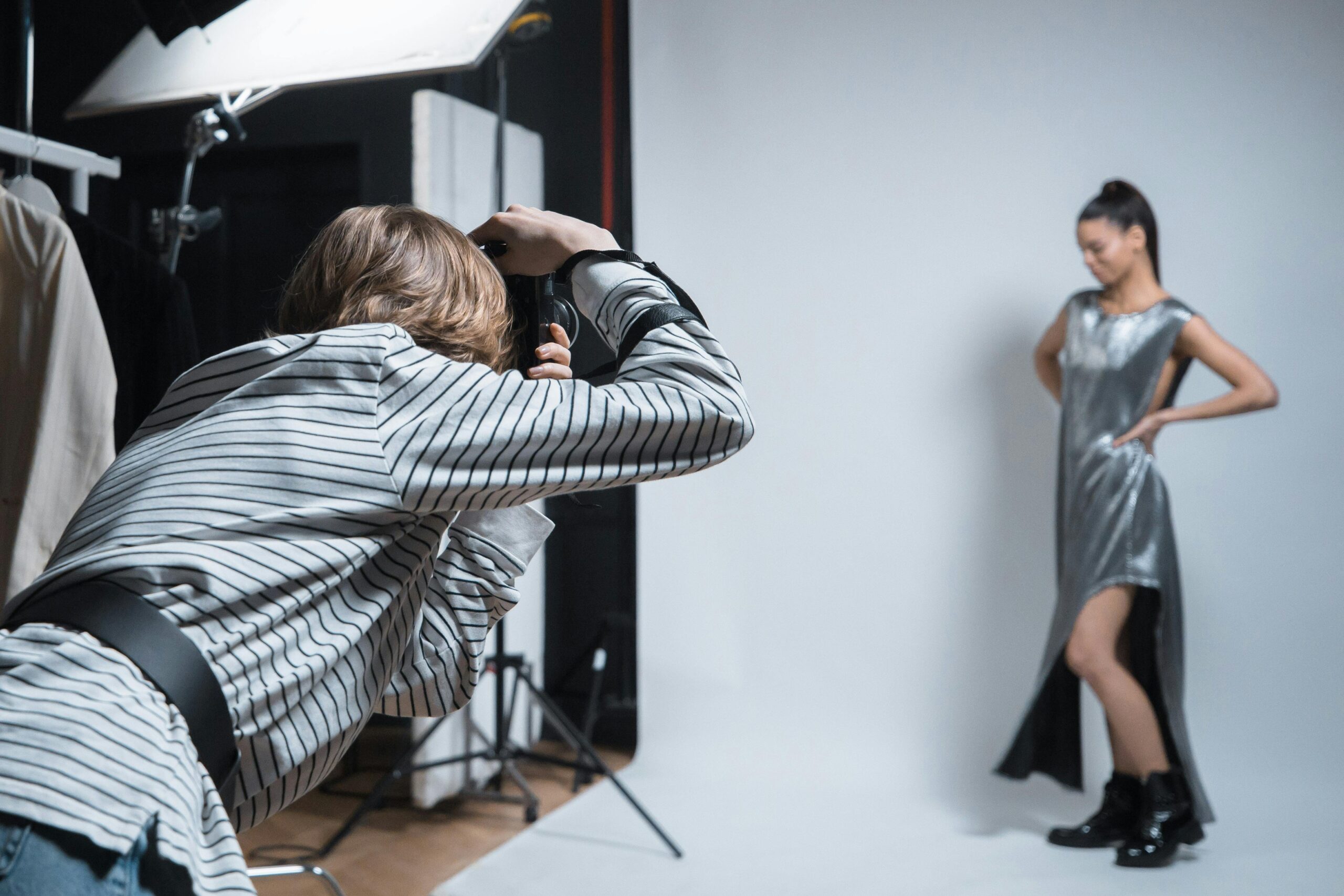
How Did Fashion Photography Change Consumers During And After WWII?
How Did Fashion Photography Change Consumers During And After WWII?
Discover the transformative impact of fashion photography during and after WWII. Explore how fashion imagery shaped consumer behavior, influenced societal norms, and democratized access to style. Delve into the question: How Did Fashion Photography Change Consumers During And After WWII?
Introduction-How Did Fashion Photography Change Consumers During And After WWII?
Fashion photography serves as a powerful reflection of changes in society, showing us not only what people wear but also how consumer culture shifts over time. The time around World War II was a period of great change, with the war, new technology, and changes in what society thought was normal all making a big difference in the world of fashion photography. In this deeper look, we will explore How Did Fashion Photography Change Consumers During And After WWII?, influencing how people behaved as shoppers and how it helped shape the fashion industry into what we see today.
During the war, the world saw huge changes. These changes affected everything, including fashion photography. Before the war, fashion photos were mostly about showing off clothes in a straightforward way. But when the war started, the need for materials like fabric meant designers had to think differently about what they made. This is where we start to see How Did Fashion Photography Change Consumers During And After WWII?. Photographers began to get creative, showing clothes that fit the new way of living. This creativity didn’t just make people want to buy different clothes; it also started to change how people saw the world around them.
Fashion photography during this time started to do more than just sell clothes; it became a way to boost morale. It showed styles that matched the war effort, making fashion a part of how people supported their countries. This is another key point in understanding How Did Fashion Photography Change Consumers During And After WWII?. It wasn’t just about looking good anymore. It was about feeling connected to something bigger, showing patriotism through what you wore and the images you connected with.
After the war, fashion photography played a big part in signaling a return to peace and prosperity. This was a time for new beginnings, and fashion was at the forefront, with photographs capturing the joy and freedom of the post-war world. This era of fashion photography made people excited about the future, changing consumers again by making them eager to be part of the new styles and the optimism they represented.
The way How Did Fashion Photography Change Consumers During And After WWII? can also be seen in how it started to reach more people. With magazines becoming more popular and the rise of advertisements, fashion photography was everywhere. This exposure didn’t just make people want to buy what they saw; it made fashion a part of everyday life for more people than ever before. It shaped consumer desires, making fashion an integral part of personal identity and social standing.
This period also saw the beginning of fashion photography influencing not just what people wore but how they thought about themselves and their place in the world. It wasn’t just about selling clothes; it was about selling an idea of who you could be. This is a crucial aspect of How Did Fashion Photography Change Consumers During And After WWII?, making it a tool for self-expression and individuality.
Pre-War Influence and the Rise of Fashion Magazines:
Before delving into the wartime impact, it’s crucial to acknowledge the groundwork laid by fashion magazines in the pre-WWII era. Publications like Vogue, Harper’s Bazaar, and Vanity Fair emerged as influential platforms for disseminating fashion trends, employing photography as a means of showcasing couture designs. However, the visual language of these early fashion photographs often relied on static poses and formal compositions, reflecting the conservative sensibilities of the time.
Wartime Constraints and Innovation:
With the outbreak of WWII, the fashion industry faced unprecedented challenges. Rationing, fabric shortages, and shifting societal priorities forced designers to adapt their creations to the realities of war. Similarly, fashion photography underwent a metamorphosis, as photographers grappled with constraints such as limited resources and censorship. Despite these challenges, wartime photography catalyzed innovation, giving rise to more dynamic and evocative imagery.
Propaganda and Patriotism:
During World War II, fashion photography took on a new role beyond showcasing the latest styles. It became a powerful instrument for propaganda, serving to promote feelings of patriotism and lift the spirits of those on the home front. Through the lens of fashion photography, civilians were presented with images of glamour, resilience, and national pride, all wrapped in military-inspired fashion. This strategic blend of style and patriotism is a key example of how fashion photography changed consumers during and after WWII, influencing not only their fashion choices but also their attitudes towards the war effort and national identity.
One of the most significant ways in which fashion photography changed consumers during and after WWII was by bridging the gap between the home front and the battlefront. Photographs of models dressed in outfits that echoed military uniforms brought the realities of war into the everyday, making the conflict more relatable to those far from the front lines. This approach helped to How Did Fashion Photography Change Consumers During And After WWII?, as it encouraged a deeper connection with and support for the troops, fostering a unified national spirit.
Moreover, fashion photography’s role in shaping public morale cannot be understated. In times of scarcity and uncertainty, these images offered a semblance of normalcy and hope. By incorporating elements of strength and determination into their aesthetic, fashion photographers played a part in How Did Fashion Photography Change Consumers During And After WWII?, offering a visual escape and a promise of better times to come. This optimistic outlook was crucial in maintaining public morale, proving that fashion photography had a significant impact on the social fabric of the time.
Another aspect of How Did Fashion Photography Change Consumers During And After WWII? was in its ability to propagate idealized visions of the role of women. With many men away fighting, women took on roles they had never filled before, and fashion photography reflected and reinforced these changing dynamics. Images of women in uniform or working in roles traditionally held by men served as both a recognition of their contributions and a call to action, further illustrating the multifaceted impact of fashion photography during this era.
Finally, the post-war period saw a continuation of the trends established during the conflict, as fashion photography remained a vital tool in shaping consumer culture. The optimism and innovation that characterized the post-war world were reflected in the vibrant and forward-looking fashion photography of the time. This period underscored How Did Fashion Photography Change Consumers During And After WWII?, guiding them through recovery and into a new era of prosperity and fashion consciousness.
Post-War Rejuvenation and Liberation:
The end of WWII ushered in an era of rejuvenation and liberation, both socially and stylistically. Fashion photography reflected this newfound optimism, embracing themes of freedom, sensuality, and modernity. Photographers experimented with new techniques and perspectives, capturing the euphoria of post-war prosperity. The emergence of haute couture houses like Dior further fueled this renaissance, as extravagant designs symbolized a departure from wartime austerity.
Democratization of Fashion:
Perhaps the most significant legacy of post-WWII fashion photography was its role in democratizing fashion. As images proliferated in magazines, advertisements, and catalogs, fashion became more accessible to the masses. The aspirational allure of glossy pages transformed consumers into connoisseurs, driving demand for ready-to-wear garments and fostering a culture of consumerism.
Technological Advancements and Globalization:
How Did Fashion Photography Change Consumers During And After WWII? During and after World War II, fashion photography underwent a profound transformation, catalyzed by significant technological advancements that forever altered the landscape of the industry. The advent of color photography and mass printing marked a pivotal moment, revolutionizing how fashion was captured and disseminated to consumers worldwide. This shift in technology not only changed How Did Fashion Photography Change Consumers During And After WWII? but also reshaped the very essence of the fashion industry itself.
Color photography, a groundbreaking innovation of the post-war era, brought a newfound vibrancy and richness to fashion imagery. Prior to this development, fashion photographs were predominantly rendered in black and white, limiting the ability to showcase the intricate details and nuances of garments. With the introduction of color photography, however, photographers gained a powerful tool to capture the true essence of fashion, allowing consumers to experience the full spectrum of hues and textures in vivid detail. This enhancement in visual fidelity played a significant role in How Did Fashion Photography Change Consumers During And After WWII?, as it heightened their appreciation for the artistry and craftsmanship of couture.
Furthermore, mass printing technologies facilitated the widespread distribution of fashion publications, magazines, and catalogs, democratizing access to style inspiration on a global scale. Fashion photography, once confined to the pages of elite publications, now reached a broader audience, transcending geographic boundaries and cultural barriers. This democratization of fashion imagery played a pivotal role in How Did Fashion Photography Change Consumers During And After WWII?, as it empowered individuals from diverse backgrounds to engage with and participate in the world of fashion.
The combination of these technological advancements with the growing interconnectedness of the world propelled fashion into the realm of globalization. As fashion imagery circulated across continents and cultures, trends began to transcend traditional boundaries, creating a shared visual language that spoke to consumers worldwide. Fashion became a universal language, uniting people from different backgrounds in their appreciation for style and creativity. This globalization of fashion, facilitated by advancements in technology and communication, further underscores How Did Fashion Photography Change Consumers During And After WWII?, as it fostered a sense of interconnectedness and cultural exchange on a global scale.
The Digital Age and Beyond:
Fast forward to the digital age, and fashion photography continues to evolve in tandem with technological innovations. Social media platforms like Instagram have democratized the industry even further, empowering aspiring photographers and models to showcase their talent on a global stage. However, this democratization has also engendered challenges such as image manipulation and unrealistic beauty standards, prompting a reevaluation of the industry’s ethos.
Conclusion-How Did Fashion Photography Change Consumers During And After WWII?
Fashion photography is not merely a reflection of sartorial trends; it is a mirror to society’s values, aspirations, and zeitgeist. The seismic shifts witnessed during and after WWII transformed fashion photography from a static medium into a dynamic force driving consumer culture. By capturing the spirit of resilience, liberation, and progress, fashion photographers of the era left an indelible mark on the industry, shaping our collective understanding of beauty, style, and identity. As we navigate the ever-changing landscape of fashion photography in the digital age, it’s essential to acknowledge its rich legacy and enduring influence on global consumer culture.
Tips-How Did Fashion Photography Change Consumers During And After WWII?
Explore Historical Context:
To understand how fashion photography changed consumers during and after WWII, it’s crucial to delve into the historical context of the era. Consider the socio-economic conditions, cultural shifts, and technological advancements that influenced both the fashion industry and consumer behavior during this transformative period.
Examine Pre-War Fashion Trends:
Before delving into the impact of WWII, take a closer look at the state of fashion photography and consumer culture leading up to the war. Analyze the prevailing styles, marketing strategies, and societal norms that shaped the fashion landscape in the pre-war years.
Identify Key Transformations During WWII:
Outline the specific ways in which fashion photography adapted to the realities of WWII. Explore how photographers responded to challenges such as fabric rationing, changing social attitudes, and the need for propaganda. Highlight the emergence of new visual narratives and themes that reflected the wartime experience.
Highlight Propaganda Efforts:
Discuss the role of fashion photography as a tool for propaganda during WWII. Explore how images of glamorous models in military-inspired attire were used to promote patriotism and boost morale on the home front. Examine the impact of these propaganda efforts on consumer perceptions and behaviors.
Examine Post-War Repercussions:
After WWII, assess how fashion photography continued to evolve in the post-war period. Investigate how photographers captured the spirit of rejuvenation and liberation through their imagery. Discuss the influence of post-war fashion trends on consumer preferences and purchasing habits.
Analyze Technological Advancements:
Explore the technological advancements that revolutionized fashion photography during and after WWII. Discuss the introduction of color photography and mass printing techniques, and their impact on visual storytelling and consumer engagement. Highlight how these advancements contributed to the globalization of fashion.
Consider Societal Changes:
Examine broader societal changes that influenced consumer behavior during and after WWII. Discuss the shifting roles of women, changes in fashion accessibility, and the rise of consumer culture in the post-war era. Analyze how fashion photography both reflected and contributed to these societal shifts.
Discuss Long-Term Implications:
Reflect on the lasting legacy of WWII-era fashion photography on consumer culture and the fashion industry. Consider how the innovations and strategies developed during this period continue to shape contemporary fashion photography and consumer behavior. Explore the enduring influence of wartime imagery on our collective perception of style and identity.
FAQ’s-How Did Fashion Photography Change Consumers During And After WWII?
1. How did fashion photography evolve during World War II?
Fashion photography underwent significant changes during WWII to adapt to the wartime conditions. Photographers had to be creative with limited resources, and their imagery often reflected the patriotic sentiments of the time.
2. Did fashion photography play a role in wartime propaganda?
Yes, fashion photography was used as a tool for propaganda during WWII. Images featuring glamorous models wearing military-inspired attire aimed to boost morale and promote patriotism on the home front.
3. How did fashion photography influence consumer behavior during the war?
Fashion photography during WWII influenced consumer behavior by shaping perceptions of style, patriotism, and national identity. Images depicted the latest trends while reinforcing the idea of supporting the war effort through fashion choices.
4. What changes occurred in fashion photography after WWII?
After WWII, fashion photography evolved to reflect the optimism and prosperity of the post-war era. There was a shift towards more vibrant and glamorous imagery, reflecting a desire for liberation and modernity.
5. How did technological advancements impact fashion photography during and after WWII?
Technological advancements such as color photography and mass printing revolutionized fashion photography, allowing for more vibrant and detailed images. This visual richness contributed to the globalization of fashion and influenced consumer preferences.
6. What long-term effects did WWII-era fashion photography have on consumers?
WWII-era fashion photography had lasting effects on consumers by shaping their perceptions of style, beauty, and identity. It influenced consumer behavior during the war and continued to impact fashion trends and preferences in the post-war period and beyond.
Read Article: How Long Does Fashion Nova Take To Ship?
editor's pick


news via inbox
Nulla turp dis cursus. Integer liberos euismod pretium faucibua
