
What Is Money Made Of?
What Is Money Made Of?
Unlock the mystery of What Is Money Made Of? with our comprehensive exploration. Delve into the historical evolution, the tangible and intangible elements, and the pivotal role of trust and confidence in understanding the essence of money.
Introduction:
Money is at the heart of our daily lives, shaping our transactions, investments, and economic interactions. Yet, amidst our routines, we seldom pause to contemplate the question: What is money made of? It’s more than just the physical bills and coins we handle daily; it’s a complex amalgamation of historical roots, economic principles, and societal trust.
In this exploration, we embark on a journey to demystify the essence of money. From its early days in barter systems to the digital transactions of today, we delve into the evolution of currency. We’ll scrutinize the tangible materials that constitute physical money, but equally important, we’ll delve into the intangible factors that confer value upon it. Join us as we peel back the layers to uncover the true essence of What Is Money Made Of?.
Embark on a historical journey from primitive barter systems to the sophisticated monetary mechanisms of today. Witness the emergence of commodities like grains, cattle, and precious metals as mediums of exchange, each shaping the evolution of money along the way. However, our quest extends beyond mere physical forms; it delves into the very fabric of societal trust and confidence that underpins our modern financial systems.
In our exploration, we’ll examine the tangible materials used in crafting physical currency. From the cotton blend paper of banknotes to the metallic composition of coins, these materials serve as the tangible embodiment of monetary value. Yet, the true essence of money transcends these physical attributes. It lies in the collective trust and confidence placed in the currency by individuals and institutions alike.
As we peel back the layers, we’ll uncover the intricate web of economic principles and societal norms that imbue money with its value. We’ll look at how central banks keep the financial markets stable and control the amount of money in circulation. We will also examine the effects of inflation, unemployment, and other economic issues on the purchasing power of currency.
As we journey forward, we’ll develop a richer understanding of the complexity of money. It’s more than just a medium of exchange or a means of storing value; it mirrors our shared beliefs and societal values. Join us on this exploration as we delve into the essence of What Is Money Made Of?.
The Evolution of Money:
Understanding the evolution of money is crucial in unraveling the essence of What Is Money Made Of?. Delving into the annals of history, we witness the primitive origins of exchange, rooted in simple barter systems. In these early societies, goods and services were directly swapped, with no intermediary currency. However, as communities expanded and trade became more intricate, the limitations of bartering became apparent.
Ancient civilizations confronted this challenge by turning to tangible commodities such as grains, cattle, and precious metals like gold and silver. These items possessed intrinsic value and were universally recognized as mediums of exchange. Thus, they laid the foundation for the evolution of money.
Over time, the concept of money evolved from mere commodities to standardized units of value. This transition marked the advent of coinage, where metals were minted into uniform shapes and sizes, facilitating trade on a broader scale. These coins served as tangible representations of value, making transactions more efficient and streamlined.
The emergence of coinage revolutionized economic interactions, enabling societies to flourish through increased commerce and trade. With standardized units of currency, individuals could engage in transactions with greater confidence, knowing that the value of their money was consistent and universally accepted.
As civilizations continued to progress, the concept of money evolved further, transcending physical forms and embracing abstract representations of value. While coins and banknotes remain tangible manifestations of currency, the modern era has witnessed the rise of digital transactions, where money exists purely as electronic data.
In this digital age, the essence of money extends beyond physical attributes to encompass intangible elements such as trust, confidence, and technological infrastructure. Digital currencies rely on complex networks and cryptographic protocols to ensure security and authenticity, challenging traditional notions of what constitutes money.
In summary, the evolution of money reflects humanity’s quest for efficient and reliable mediums of exchange. From primitive barter systems to sophisticated digital transactions, the essence of What Is Money Made Of? encompasses tangible commodities, standardized units of currency, and intangible elements of trust and confidence. Understanding this evolution is essential in comprehending the multifaceted nature of money and its role in shaping societies throughout history.
From Paper to Digital:
The transition from metallic coins to paper money marked a pivotal moment in the evolution of currency, shedding light on What Is Money Made Of?. While coins provided a tangible representation of value, the introduction of paper money offered unparalleled convenience and flexibility in economic transactions. Initially, paper currency was backed by precious metals such as gold or silver, ensuring its inherent value and stability.
However, as economies expanded and trade flourished, the limitations of metallic-backed currency became increasingly apparent. The need for a more flexible monetary system led to the emergence of fiat money—a form of currency not backed by any physical commodity. Instead, fiat currency derives its value from the trust and confidence of the people who use it, ushering in a new era in the understanding of What Is Money Made Of?.
Today, the majority of money exists in digital form, representing a monumental shift in the nature of currency. Electronic accounts serve as repositories for digital currency, with numbers in these accounts representing monetary value. This digital currency is created and regulated by central banks, acting as custodians of the monetary system.
Fiat money, in its digital form, plays a central role in modern economies, facilitating transactions, investments, and economic growth. Despite lacking intrinsic value, digital currency retains its purchasing power through the collective trust and confidence of users. The stability of fiat money is reinforced by the oversight and regulation of central banks, which manage monetary policy to ensure price stability and economic growth.
In summary, the transition from metallic coins to paper money and eventually digital currency reflects the ongoing evolution of money and our understanding of What Is Money Made Of?. While the tangible attributes of currency have changed over time, the underlying principles of trust, confidence, and regulatory oversight remain fundamental to the functioning of modern monetary systems.
The Composition of Physical Money:
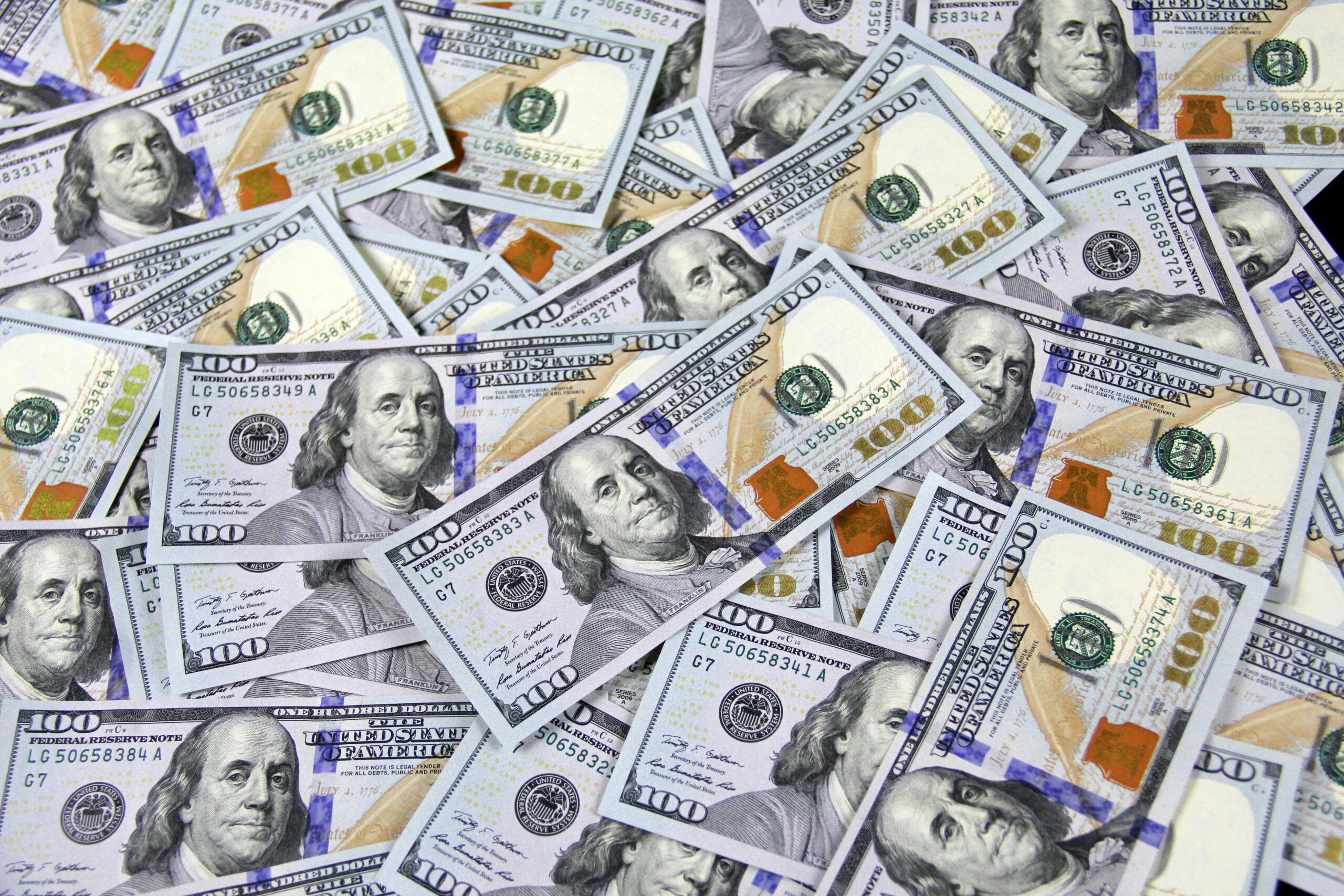
Physical currency, while representing only a fraction of the total money supply, serves as a tangible representation of What Is Money Made Of?. Modern banknotes, crafted from a durable cotton blend paper or polymer substrate, are designed with practicality and longevity in mind. These materials are chosen for their resilience, ensuring that banknotes can withstand the rigors of everyday use.
However, it’s essential to recognize that the physical material of banknotes holds little intrinsic value on its own. Instead, the value of paper currency lies in the authority and stability of the issuing government or central bank. This authority is what imbues banknotes with their value, making them universally accepted as a medium of exchange.
Furthermore, the trust in paper currency is reinforced by various security features embedded in banknotes. These features are meticulously designed to deter counterfeiting and ensure the integrity of the monetary system. Watermarks, holograms, and serial numbers are just a few examples of the sophisticated security measures employed to safeguard the value of physical currency.
In essence, while the material composition of banknotes may seem mundane, it serves as a tangible reminder of the intricate web of trust, authority, and security that underpins What Is Money Made Of?. By understanding the composition and value of physical currency, we gain insight into the broader dynamics of monetary systems and the role they play in facilitating economic transactions.
The Role of Trust and Confidence:
The significance of trust and confidence in understanding What Is Money Made Of? cannot be overstated. While money exists in various forms—physical, digital, or even abstract—it is ultimately a social and psychological construct. At its essence, money derives its value from the trust and confidence placed in it by individuals and institutions alike.
When we hand over a banknote or make a digital payment, we do so with the implicit belief that this medium of exchange holds value and can be exchanged for goods and services in the future. This trust is the cornerstone of economic transactions, allowing commerce to flourish and economies to thrive.
The stability of money is closely tied to the credibility and reliability of the issuing authority. Whether it’s a government or a central bank, the perceived strength and integrity of the institution play a pivotal role in shaping trust in the currency. Confidence in the stability of the financial system further reinforces this trust, providing a solid foundation for economic interactions.
Moreover, economic factors such as inflation and unemployment rates also influence trust in a currency. When these indicators are stable, people are more likely to have faith in the purchasing power of their money. However, when inflation spirals out of control or unemployment rates skyrocket, trust in the currency diminishes, leading to a loss of confidence and a decline in its value.
Instances of hyperinflation or economic instability serve as stark reminders of the fragility of trust in money. When people lose faith in the currency’s ability to retain its value, they may resort to alternative means of exchange or store of value, further exacerbating the situation.
In summary, trust and confidence are fundamental aspects of What Is Money Made Of?. They form the bedrock of monetary systems, shaping perceptions of value and driving economic activity. Understanding the role of trust in money provides valuable insights into the dynamics of economies and the factors that influence their stability and resilience.
Conclusion:
In conclusion, the question of what money is made of is multifaceted. While physical currency may consist of paper or metal, its true value lies in the complex web of trust, confidence, and economic fundamentals that support it. Whether in the form of coins, banknotes, or digital entries, money serves as a medium of exchange, a unit of account, and a store of value, shaping the economic landscape and influencing our daily lives. Understanding the essence of money goes beyond its tangible properties, offering insights into the intricate workings of economies and societies worldwide.
Tips-What Is Money Made Of?
Understand the Historical Context:
To grasp What Is Money Made Of?, delve into the historical evolution of currency, from ancient barter systems to modern digital transactions.
Explore Tangible and Intangible Elements:
Consider both the physical attributes and abstract principles that contribute to the essence of What Is Money Made Of?.
Examine Commodity Origins:
Trace the origins of money to basic commodities like grains, cattle, and precious metals, which served as early mediums of exchange.
Study the Transition to Coinage:
Explore how the transition from commodity-based exchange to standardized coinage revolutionized economic interactions and facilitated trade.
Analyze the Shift to Paper Currency:
Investigate the significance of transitioning from metallic coins to paper money, which offered greater convenience and flexibility in transactions.
Delve into the Digital Era:
Explore the complexities of the modern monetary system, where the majority of money exists in digital form, represented by numbers in electronic accounts.
Consider Trust and Confidence:
Recognize that beyond its physical or digital form, the essence of What Is Money Made Of? lies in the social and psychological construct of trust and confidence.
FAQ’s-What Is Money Made Of?
What exactly is money made of?
Money is made of various materials depending on its form. Physical currency, such as coins and banknotes, is typically made of metals, paper, or polymer substrates. In contrast, digital currency exists purely as electronic data in electronic accounts.
Why is it important to understand what money is made of?
Understanding the composition of money is crucial as it provides insights into the underlying principles that govern its value and utility in economic transactions. It also helps individuals and policymakers navigate the complexities of modern monetary systems.
How has the composition of money evolved over time?
Throughout history, money has transitioned from basic commodities like grains and precious metals to standardized coins, then to paper currency, and now to digital forms. These changes reflect advancements in technology, economic systems, and societal needs.
Does physical money still play a significant role in today’s economy?
Despite the rise of digital transactions, physical money continues to play a symbolic role in our understanding of currency. While it represents a small fraction of the total money supply, physical currency remains a tangible representation of value and serves as a medium of exchange in daily transactions.
What factors determine the value of money?
The value of money is influenced by a multitude of factors, including the stability of the issuing authority, economic indicators such as inflation and unemployment rates, and the overall strength of the financial system. Trust and confidence in the currency also play a crucial role in determining its value.
How does trust and confidence affect the value of money?
Trust and confidence are fundamental aspects of what money is made of. When people believe in the stability and reliability of a currency, its value is reinforced. Conversely, a loss of trust or confidence can lead to a decline in the currency’s value, as seen in cases of hyperinflation or economic instability.
What role do central banks play in determining what money is made of?
Central banks play a pivotal role in regulating the money supply and maintaining stability in financial markets. They oversee the issuance of currency, set monetary policy, and implement measures to safeguard the value of money.
Is digital currency the future of money?
Digital currency represents an increasingly prominent aspect of modern monetary systems. While physical currency continues to coexist, the growing prevalence of digital transactions suggests that digital currency may indeed play a significant role in the future of money.
How can individuals ensure the security of their digital money?
Individuals can safeguard their digital money by practicing cybersecurity measures such as using secure passwords, enabling two-factor authentication, and avoiding suspicious websites or emails. Additionally, reputable financial institutions employ robust security protocols to protect digital transactions.
In summary, what is the essence of what money is made of?
The essence of what money is made of transcends its physical or digital form. At its core, it is a social and psychological construct based on trust, confidence, and the stability of the financial system. Understanding these fundamental principles provides valuable insights into the dynamics of modern economies and the role of currency in shaping societal interactions.
Read Article: What Does Pink And Yellow Make?
editor's pick


news via inbox
Nulla turp dis cursus. Integer liberos euismod pretium faucibua
