
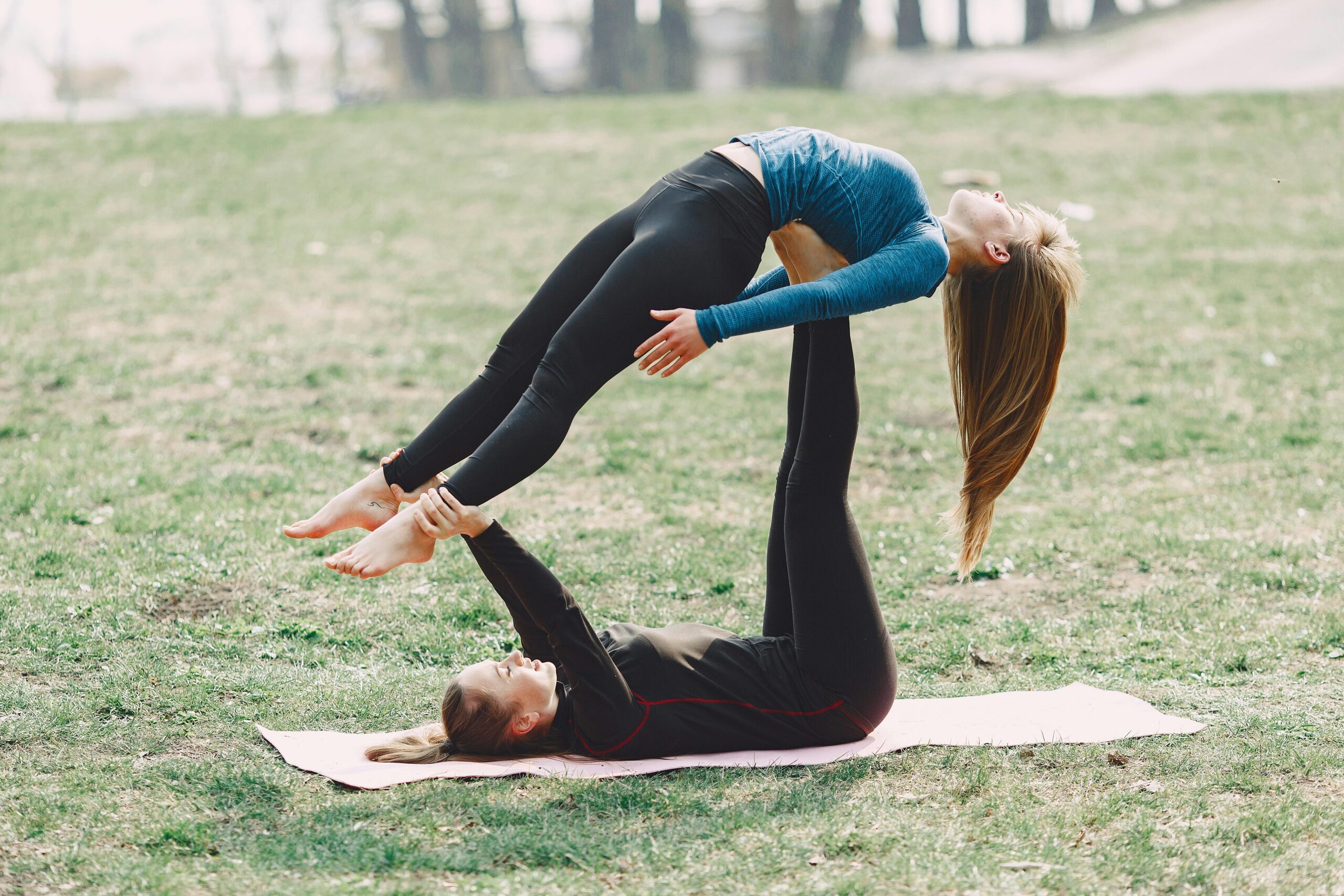
Describe The Continuous Nature Of The Physical Fitness Concept
Describe The Continuous Nature Of The Physical Fitness Concept
Discover how to Describe The Continuous Nature Of The Physical Fitness Concept, exploring the ever-evolving, personalized journey of fitness that adapts to your unique body, mind, and lifestyle for lasting well-being.
Introduction
In a world where physical well-being often takes center stage, the idea of fitness has evolved far beyond simple strength or endurance. It now embodies a more nuanced and perpetual journey, one that weaves itself through the course of an individual’s life. To truly grasp the essence of health, one must delve into the complex layers that form the foundation of wellness, which are neither static nor fixed. In this exploration, we aim to Describe The Continuous Nature Of The Physical Fitness Concept, a perspective that recognizes the evolution of the human body and mind.
Rather than focusing on fleeting achievements, the continuous nature of the physical fitness concept highlights the unbroken rhythm of adaptation and refinement that our bodies undergo. This understanding offers a more profound view of fitness, one that transcends the immediate and embraces long-term resilience, consistency, and growth.
Understanding the Intricacies of Physical Fitness
To reduce physical fitness to mere components such as strength, endurance, or flexibility would be to trivialize its rich and expansive character. In reality, fitness embodies an intricate array of elements, where bodily resilience intertwines with mental tenacity and adaptability, forging a continually developing entity. It transcends simple accomplishments like lifting a certain weight or running a particular distance; rather, it mirrors the capacity to navigate life’s physical demands, which are ever-evolving in intensity, form, and challenge.
At the heart of fitness lies a certain fluidity—its essence is not rigid but rather in constant motion. As time progresses, influenced by age, shifting lifestyles, and personal goals, physical fitness adapts accordingly. Each individual’s journey reflects a series of cycles—periods of growth, maintenance, and temporary setbacks. Every phase requires recalibration, varying degrees of effort, and a deeper understanding of one’s own body. To Describe The Continuous Nature Of The Physical Fitness Concept, we must recognize that it defies permanence, thriving instead on the ceaseless endeavor of aligning with life’s constant flux.
This dynamic nature makes physical fitness an ever-shifting narrative, one in which stasis cannot exist. It adapts like water, flowing through different stages of life, never truly settling. The continuous nature of the physical fitness concept ensures that fitness is not a static achievement but a fluid pursuit. It demands consistent effort and adaptability, compelling individuals to embrace their evolving selves while remaining in harmony with the physical and mental transformations that arise over time.
An Ever-Adapting Paradigm
Physical fitness resembles the steady yet unpredictable flow of a river, forever shifting its course and reshaping itself in response to the terrain it traverses. Each day brings a new set of influences, as external forces and internal states relentlessly impact our physical capabilities. The weight of daily stresses, periods of recovery, and moments of heightened physical exertion all merge into a delicate interplay between progress and adaptation. This unceasing evolution reinforces the need to Describe The Continuous Nature Of The Physical Fitness Concept, for it cannot be pinned down to rigid objectives or singular achievements. Instead, fitness demands to be perceived as a malleable state, one that calls for constant vigilance and ongoing recalibration.
The true elasticity of fitness extends beyond the physical plane; it also inhabits the mind. Mental resilience and active cognitive engagement are just as integral to sustaining physical well-being as the muscles employed in lifting, running, or stretching. Enduring fitness necessitates an inner strength, the kind that allows one to withstand the inevitable downturns—those phases when physical performance seems to wane—and the wisdom to persist and persevere during times of progression. To properly Describe The Continuous Nature Of The Physical Fitness Concept, we must acknowledge that its course is far from linear. It ebbs and flows with life, demanding mental and emotional stamina as much as physical prowess, and requires individuals to remain in sync with their evolving capabilities.
Navigating the Spectrum of Physical Well-being
Viewing fitness as an evolving journey, rather than a fixed destination, unshackles individuals from the rigid framework of linear progression. This broader lens allows one to embrace the inevitable ebbs and flows—plateaus, regressions, and triumphs—that shape one’s fitness trajectory. Each phase contributes to a deeper, more nuanced understanding of health, empowering individuals to stay resolute in their quest for well-being, even when met with temporary setbacks. This shift in perspective is crucial when attempting to Describe The Continuous Nature Of The Physical Fitness Concept, as it acknowledges that fitness is not a finish line but a lifelong commitment to growth and adaptation.
Moreover, physical health transcends sheer physical functionality; it embraces a complete, holistic approach to properly being. It weaves collectively the threads of nutrients, mental fortitude, and emotional harmony, creating a symbiotic relationship that defines average health. The nourishment we pick out fuels our our bodies, at the same time as the intellectual frameworks we undertake toughen our resilience. Emotional balance, in flip, shapes the strength we put money into physical endeavors. These interconnected components reveal the delicate, yet persistent, interaction that underpins true fitness.
To appropriately Describe The Continuous Nature Of The Physical Fitness Concept, one should recognize that progress is hardly ever encapsulated using singular achievements. Instead, real advancement is observed within the alignment of those multifaceted factors—vitamins, intellectual health, and emotional well-being—all operating in tandem to foster sustained increase. The continuous dance among those factors displays the iconic, ever-transferring nature of fitness, in which resilience, adaptability, and concord guide the path to lasting well-being.
Fitness as a Singularly Personal Experience
What sets the notion of fitness apart is its profoundly individualized essence. Fitness is not a one-size-fits-all concept; rather, it manifests uniquely in each person, shaped by a constellation of factors such as genetic heritage, daily habits, personal aspirations, and the obstacles one faces. These elements create a distinct blueprint for every individual, charting a personalized course to both attain and sustain physical well-being. To Describe The Continuous Nature Of The Physical Fitness Concept, one must acknowledge that fitness defies uniformity and cannot be measured against rigid societal standards or universal benchmarks.
Each embarks on a uniquely tailor-made journey, in which the markers of achievement are defined now not by way of outside validation, but using inner alignment with private health goals. Whether the intention is to construct energy, enhance staying power, or foster mental clarity, the course to fitness is notably individualized and ever-evolving. It requires deep information about one’s own body, its rhythms, its obstacles, and the way these change over time. Thus, to Describe The Continuous Nature Of The Physical Fitness Concept, we must understand that health isn’t always a fixed kingdom to be accomplished and maintained as soon as. Rather, it is a dynamic manner, fashioned with the aid of steady reassessment and personal increase.
This private journey of fitness includes ongoing mirrored image and adjustment, as what works for one individual won’t work to another. Fitness, in its truest form, is set to come across and nurture one’s particular model of bodily energy. It evolves alongside the person, adapting to shifts in way of life, age, and priorities, constantly stressful clean interest, and a renewed sense of purpose.
Conclusion: Embracing the Eternal Evolution
In essence, physical fitness is a continuous process, a never-ending journey that requires dedication, self-awareness, and adaptability. It is not a fixed state to be achieved and then forgotten, but a dynamic aspect of life that ebbs and flows in response to countless variables. The pursuit of fitness demands resilience, not only in the muscles but in the mind, as one navigates the inevitable challenges and triumphs that arise along the way.
Understanding and embracing the continuous nature of physical fitness allows us to appreciate the beauty of its evolution. It’s not about reaching the peak of the mountain but about the ongoing ascent—one that lasts a lifetime, full of growth, setbacks, and the continuous interplay of body and mind.
Tips
Embrace Change
To truly Describe The Continuous Nature Of The Physical Fitness Concept, understand that your fitness journey is ever-evolving. Accept that your body’s needs will shift with time, age, and lifestyle changes. Adapt your routines and goals as you progress, rather than sticking to rigid plans.
Set Long-Term Goals
When you Describe The Continuous Nature Of The Physical Fitness Concept, focus on goals that support sustained health and well-being. Instead of short-term objectives, aim for long-lasting improvements like overall strength, flexibility, or mental resilience.
Stay Consistent with Adjustments
Consistency is key, but so is flexibility. To Describe The Continuous Nature Of The Physical Fitness Concept, regularly adjust your workouts, nutrition, and mental wellness strategies. What worked last year might need tweaking today.
Track Progress Holistically
To fully Describe The Continuous Nature Of The Physical Fitness Concept, track not only physical improvements but also mental and emotional well-being. Fitness is multifaceted, and recognizing growth in all areas helps you stay motivated.
Listen to Your Body
Your body will give you cues on when to push and when to rest. To Describe The Continuous Nature Of The Physical Fitness Concept, learn to respond to these signals rather than ignoring them. Recovery is part of the process.
Diversify Your Routine
A diverse routine ensures you adapt to new challenges. When you Describe The Continuous Nature Of The Physical Fitness Concept, make sure to incorporate varied exercises—strength training, cardio, flexibility, and mental exercises—so you continuously evolve.
Celebrate Milestones, Not Endpoints
To Describe The Continuous Nature Of The Physical Fitness Concept, recognize that there are no definitive endpoints in fitness. Celebrate small achievements as milestones in your ongoing journey, instead of thinking of them as final goals.
Balance Mind and Body
Lastly, to truly Describe The Continuous Nature Of The Physical Fitness Concept, acknowledge the importance of mental health in your fitness routine. A strong mindset fuels physical endurance, and balancing both ensures a holistic approach to long-term fitness.
FAQ’s
What does it mean to describe the continuous nature of the physical fitness concept?
The continuous nature of physical fitness refers to the idea that fitness is an ongoing, evolving process rather than a fixed achievement. It involves adapting to changes in your body, mind, and lifestyle over time, rather than reaching a single goal and stopping. It highlights the dynamic and fluid nature of staying physically fit.
Why is physical fitness considered a continuous journey?
Physical fitness is considered continuous because the body and mind constantly change due to factors such as age, environment, and daily habits. These changes require ongoing adjustment and adaptation to maintain health and well-being. Fitness is not static; it requires a sustained effort and a flexible approach.
How does one maintain physical fitness continuously?
Maintaining fitness involves consistent exercise, proper nutrition, mental resilience, and emotional balance. Regularly reassessing and adjusting your routine based on your body’s needs and goals is key. Understanding that fitness goals may evolve helps in sustaining a long-term fitness journey.
Can physical fitness goals change over time?
Yes, physical fitness goals naturally evolve as your body, lifestyle, and priorities shift. What might have been a goal in one phase of life may not be relevant in another. The continuous nature of fitness encourages adaptation to these changes rather than sticking to rigid, fixed objectives.
How does the continuous nature of fitness impact mental health?
The continuous nature of fitness fosters mental resilience by encouraging flexibility and persistence. As fitness requires ongoing effort, it teaches patience and the ability to overcome setbacks. This long-term approach helps to maintain a balanced mental state, supporting overall well-being.
Is the continuous nature of physical fitness the same for everyone?
No, the continuous nature of fitness is highly personal. Each individual’s fitness journey is shaped by their genetic makeup, lifestyle, goals, and challenges. This makes the process unique for everyone, and there is no universal standard for achieving or maintaining fitness.
How can I apply the continuous nature of fitness in my daily routine?
You can apply the continuous nature of fitness by incorporating regular physical activity, staying mindful of your nutrition, and being adaptable to changes in your physical and mental state. Setting long-term, flexible goals and reassessing them as needed helps maintain this continuous fitness approach.
Read Article: Do Mobil Gas Stations Take Apple Pay
editor's pick


news via inbox
Nulla turp dis cursus. Integer liberos euismod pretium faucibua
