
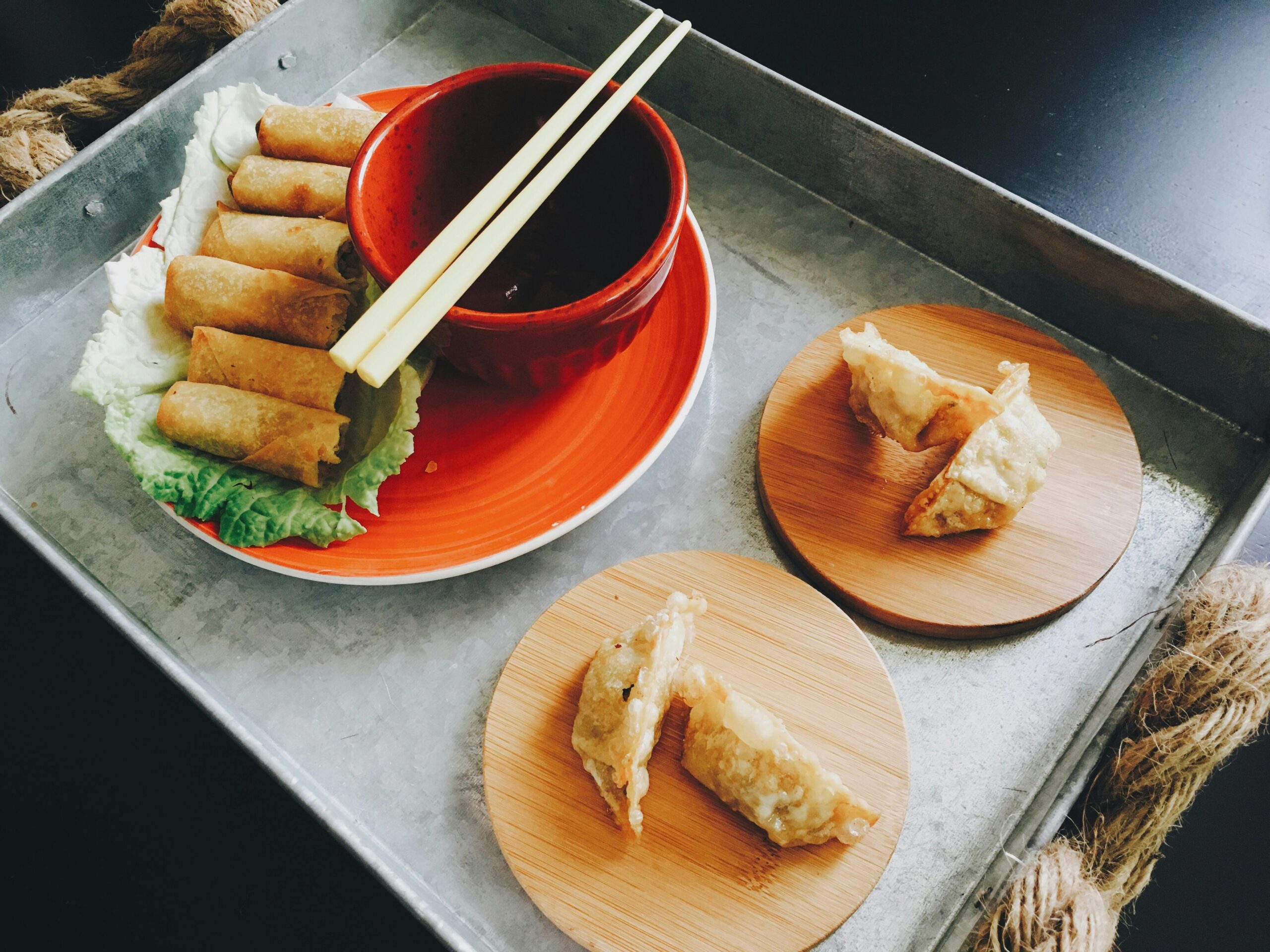
How Long Is Chinese Food Good For?
How Long Is Chinese Food Good For?
Curious about How Long Is Chinese Food Good For? Explore our guide to discover the optimal timeframe for storing and enjoying your favorite dishes. Whether it’s takeout or homemade, learn about the factors influencing its shelf life and how to keep it fresh.
Introduction to Chinese Food Preservation
Chinese food, known for its rich flavors and diverse ingredients, is loved by people all around the world. The question of “How Long Is Chinese Food Good For?” is crucial for anyone who enjoys this cuisine and wants to ensure its safety and freshness. Keeping Chinese food good and safe to eat involves understanding how to store it properly and knowing how long it can last before it goes bad.
When we think about “How Long Is Chinese Food Good For?”, we must consider the variety of dishes and ingredients involved. Each dish has a different shelf life, affecting how long Chinese food is good for. Proper storage methods can extend how long Chinese food is good for, keeping it fresh and delicious.
Understanding “How Long Is Chinese Food Good For?” helps in planning meals and reducing waste. Whether it’s leftover takeout or home-cooked meals, knowing how long Chinese food is good for is key to enjoying your favorite dishes safely. It also ensures that the food maintains its taste and nutritional value.
In discussing “How Long Is Chinese Food Good For?”, it’s also important to consider the role of temperature and packaging. These factors directly influence how long Chinese food is good for, as proper refrigeration and airtight containers can significantly extend its shelf life.
Overall, the question “How Long Is Chinese Food Good For?” is essential for anyone who values the quality and safety of their food. By paying attention to storage guidelines and shelf life, you can ensure that your Chinese food remains safe, tasty, and good to eat for as long as possible.
Types of Chinese Food
Chinese cuisine is incredibly diverse, offering a vast array of dishes that can be categorized into various types. While it’s challenging to narrow down all Chinese food into just eight categories due to the vastness and regional diversity of Chinese cuisine, here are eight broad categories that encompass many popular Chinese dishes:
Rice Dishes: Rice stands as a cornerstone in Chinese culinary tradition, serving as a fundamental component in various dishes. When pondering “How Long Is Chinese Food Good For?”, rice dishes are a primary consideration. Whether it’s the fragrant aroma of steamed rice or the savory allure of fried rice, understanding the shelf life of rice-based dishes is essential for maintaining their freshness and flavor. Proper storage methods, such as refrigeration or freezing, can extend the longevity of these dishes, ensuring they remain delectable for an extended period.
Noodle Dishes: Noodles hold a cherished place in Chinese cuisine, offering a diverse range of textures and flavors. When contemplating “How Long Is Chinese Food Good For?”, noodle dishes merit attention due to their popularity and versatility. From the comforting warmth of noodle soups to the bold flavors of stir-fried noodles, these dishes captivate palates across the globe. By employing suitable storage techniques and adhering to food safety guidelines, individuals can prolong the shelf life of noodle-based dishes, preserving their taste and quality for future enjoyment.
Dim Sum: Dim sum, with its delightful assortment of bite-sized delicacies, embodies the essence of Chinese culinary artistry. Inquiring about “How Long Is Chinese Food Good For?” becomes pertinent when considering the preservation of dim sum. Whether it’s the succulent fillings of dumplings or the fluffy textures of steamed buns, dim sum delights both the senses and the appetite. By adopting proper storage practices, such as refrigeration or freezing, dim sum enthusiasts can prolong the shelf life of these delectable treats, ensuring they retain their freshness and flavor.
Stir-Fried Dishes: Stir-frying reigns supreme as a quintessential cooking technique in Chinese cuisine, yielding dishes brimming with vibrant colors and bold flavors. When addressing the question of “How Long Is Chinese Food Good For?”, stir-fried dishes demand consideration due to their widespread popularity and culinary appeal. Whether it’s the fiery kick of kung pao chicken or the savory goodness of beef with broccoli, stir-fried creations tantalize taste buds and leave a lasting impression. By employing proper storage methods and adhering to recommended guidelines, individuals can extend the shelf life of stir-fried dishes, ensuring they remain palatable and enjoyable.
Soups and Broths: Soups and broths form an integral part of Chinese gastronomy, offering comforting warmth and nourishment. When pondering “How Long Is Chinese Food Good For?”, soups and broths merit attention due to their perishable nature. From the tangy zest of hot and sour soup to the delicate simplicity of egg drop soup, these culinary creations evoke a sense of culinary delight. By employing suitable storage techniques and adhering to food safety standards, individuals can prolong the shelf life of soups and broths, preserving their flavor and nutritional value for future consumption.
Barbecue and Roasted Meats: Barbecue and roasted meats showcase the mastery of Chinese culinary craftsmanship, boasting succulent flavors and irresistible aromas. Inquiring about “How Long Is Chinese Food Good For?” becomes essential when considering the preservation of these savory delights. Whether it’s the caramelized glaze of char siu or the crispy skin of roast duck, barbecue and roasted meats captivate diners with their indulgent allure. By employing proper storage methods and adhering to recommended guidelines, individuals can extend the shelf life of barbecue and roasted meats, ensuring they retain their tenderness and flavor.
Seafood Dishes: China’s vast coastline and abundant waterways provide an abundance of seafood delicacies, showcasing the rich diversity of marine flavors. When contemplating “How Long Is Chinese Food Good For?”, seafood dishes warrant attention due to their perishable nature. Whether it’s the delicate sweetness of steamed fish or the briny freshness of shrimp dumplings, seafood dishes offer a culinary journey through the bounties of the sea. By employing suitable storage techniques and adhering to food safety standards, individuals can prolong the shelf life of seafood dishes, preserving their taste and texture for future enjoyment.
Vegetarian and Tofu Dishes: Vegetarian and tofu-based dishes offer a refreshing departure from meat-centric fare, highlighting the versatility of plant-based ingredients. When addressing the question of “How Long Is Chinese Food Good For?”, vegetarian and tofu dishes merit consideration due to their nutrient-rich composition. Whether it’s the spicy kick of mapo tofu or the vibrant medley of stir-fried vegetables, these dishes showcase the artistry of vegetarian cuisine. By employing proper storage methods and adhering to recommended guidelines, individuals can extend the shelf life of vegetarian and tofu dishes, ensuring they remain wholesome and flavorful for future consumption.
Factors Affecting Shelf Life
The question of “How Long Is Chinese Food Good For?” hinges on several key factors that influence its shelf life. Understanding these factors is essential for ensuring the freshness and safety of Chinese cuisine.
- Ingredients: The ingredients used in Chinese food play a significant role in determining its shelf life. Fresh ingredients, such as vegetables and meats, have a shorter shelf life compared to processed or preserved ingredients. The quality and freshness of the ingredients directly impact how long Chinese food remains good for consumption.
- Cooking Methods: The cooking methods employed in preparing Chinese dishes can affect their shelf life. Certain cooking techniques, such as stir-frying and steaming, help preserve the flavor and texture of ingredients while extending their shelf life. On the other hand, deep-frying or heavily saucing dishes may shorten their shelf life due to increased moisture and fat content.
- Storage Conditions: Proper storage is crucial for maintaining the quality and safety of Chinese food. Refrigeration or freezing can significantly extend the shelf life of cooked Chinese dishes by slowing down bacterial growth and preventing spoilage. However, improper storage, such as leaving food at room temperature for too long, can hasten deterioration and pose food safety risks.
- Packaging: The way Chinese food is packaged also affects its shelf life. Airtight containers or vacuum-sealed bags help preserve the freshness of food by preventing exposure to air and moisture, which can cause spoilage. Proper packaging techniques play a vital role in extending how long Chinese food remains good for consumption.
- Temperature Control: Maintaining the correct temperature is crucial for prolonging the shelf life of Chinese food. Refrigerators should be set at or below 40°F (4°C) to slow down bacterial growth, while freezers should be kept at 0°F (-18°C) to preserve the quality of frozen food. Proper temperature control is essential for maximizing how long Chinese food remains safe and palatable.
- Handling Practices: The way Chinese food is handled before and after cooking can impact its shelf life. Cross-contamination, improper handling, and inadequate cooking techniques can introduce harmful bacteria and shorten the food’s shelf life. Following proper hygiene practices and food safety guidelines is essential for preserving the quality and safety of Chinese cuisine.
- Expiration Dates: Paying attention to expiration dates and recommended storage times is crucial for determining how long Chinese food remains safe to eat. Consuming food past its expiration date or recommended shelf life increases the risk of foodborne illness and spoilage. It’s important to adhere to these guidelines to ensure the freshness and safety of Chinese food.
In conclusion, the shelf life of Chinese food is influenced by various factors, including ingredients, cooking methods, storage conditions, packaging, temperature control, handling practices, and expiration dates. By understanding and addressing these factors, individuals can prolong how long Chinese food remains good for consumption while ensuring its quality and safety.
Storage Guidelines for Chinese Food
Refrigerating Chinese Food
Refrigeration is essential for preserving the safety and quality of Chinese food. Ideally, cooked Chinese dishes should be stored in the refrigerator within two hours of cooking to minimize the risk of bacterial growth. In the fridge, these dishes can last for 3 to 4 days if stored properly. Use airtight containers to prevent cross-contamination and to keep the food from absorbing odors from other items in the refrigerator.
Freezing Chinese Food
For longer storage, freezing Chinese food is an excellent option. Freezing can extend the life of your dishes for up to 3 months without significant loss of quality. To freeze Chinese food, let it cool down first, then portion it into meal-sized servings and place it in freezer-safe containers or bags. Label the containers with the date to keep track of how long they have been stored.
Signs of Spoilage in Chinese Food
Visual Indicators
Recognizing when Chinese food has gone bad is crucial to prevent foodborne illness. Spoilage signs include mold growth, discoloration, and slimy texture on meats or vegetables. These visual cues indicate that the food is no longer safe to eat and should be discarded immediately.
Smell and Taste Tests
The smell is a strong indicator of spoilage. If Chinese food emits a foul, sour, or otherwise unpleasant odor, it’s a sign that it has spoiled. Tasting it is not recommended if there are any doubts about its safety, as this could lead to illness.
Best Practices for Extending Shelf Life
Proper Packaging
Effective packaging is key to extending the shelf life of Chinese food. Use airtight containers to protect food from air exposure and moisture, which can accelerate spoilage. Vacuum-sealing can further extend the freshness of the food by removing air from the package.
Temperature Control
Maintaining a consistent, cold temperature is vital for food storage. The refrigerator should be set at or below 40°F (4°C), and the freezer at 0°F (-18°C) to keep Chinese food safe and fresh for as long as possible.
Common Misconceptions About Chinese Food Safety
There are several myths regarding the safety of Chinese food. One common misconception is that it’s unsafe to reheat Chinese food multiple times. In reality, it is safe to reheat food as long as it has been stored correctly and heated to the right temperature (165°F or 74°C) each time. Another misconception is that MSG (monosodium glutamate) used in Chinese cooking is harmful, but scientific studies have shown that MSG is generally safe for most people when consumed in moderation.
FAQs
1 Can leftover Chinese food be eaten after 5 days?
Eating leftover Chinese food after 5 days is not recommended, even if it has been refrigerated. Bacteria can grow even at cold temperatures, increasing the risk of foodborne illness over time.
2 How can I tell if Chinese food has gone bad?
To determine if Chinese food has spoiled, look for signs of mold, discoloration, or an off smell. These are clear indicators that the food is no longer safe to eat.
3 Is it safe to freeze and reheat Chinese food?
Yes, it is safe to freeze and reheat Chinese food as long as you cool it quickly after cooking and reheat it to at least 165°F (74°C) before consuming.
4 How long can Chinese food be kept in the freezer?
Chinese food can be kept in the freezer for up to 3 months. After that, it’s safe to eat, but the quality may decline.
5 What is the best way to thaw frozen Chinese food? The best way to thaw frozen Chinese food is in the refrigerator. This method ensures that the food remains at a safe temperature during the thawing process.
Read Article: When Are Food Workers Required To Wear Gloves?
editor's pick


news via inbox
Nulla turp dis cursus. Integer liberos euismod pretium faucibua
