
What Should Food Workers Use To Handle Ready To Eat Pastries?
What Should Food Workers Use To Handle Ready To Eat Pastries?
Learn the essentials of food safety with our guide on ‘What Should Food Workers Use To Handle Ready To Eat Pastries?’ Discover best practices for hygiene, glove use, and proper handling techniques to ensure pastries are safe and delicious.”
Introduction
What should food workers use to handle ready to eat pastries? This question is crucial in the food service industry to prevent foodborne illnesses. Ready-to-eat pastries, such as cookies, cakes, and pies, are popular for their convenience and delicious taste. However, they are also vulnerable to contamination if not handled properly. To ensure the safety and quality of these pastries, food workers must follow strict hygiene practices.
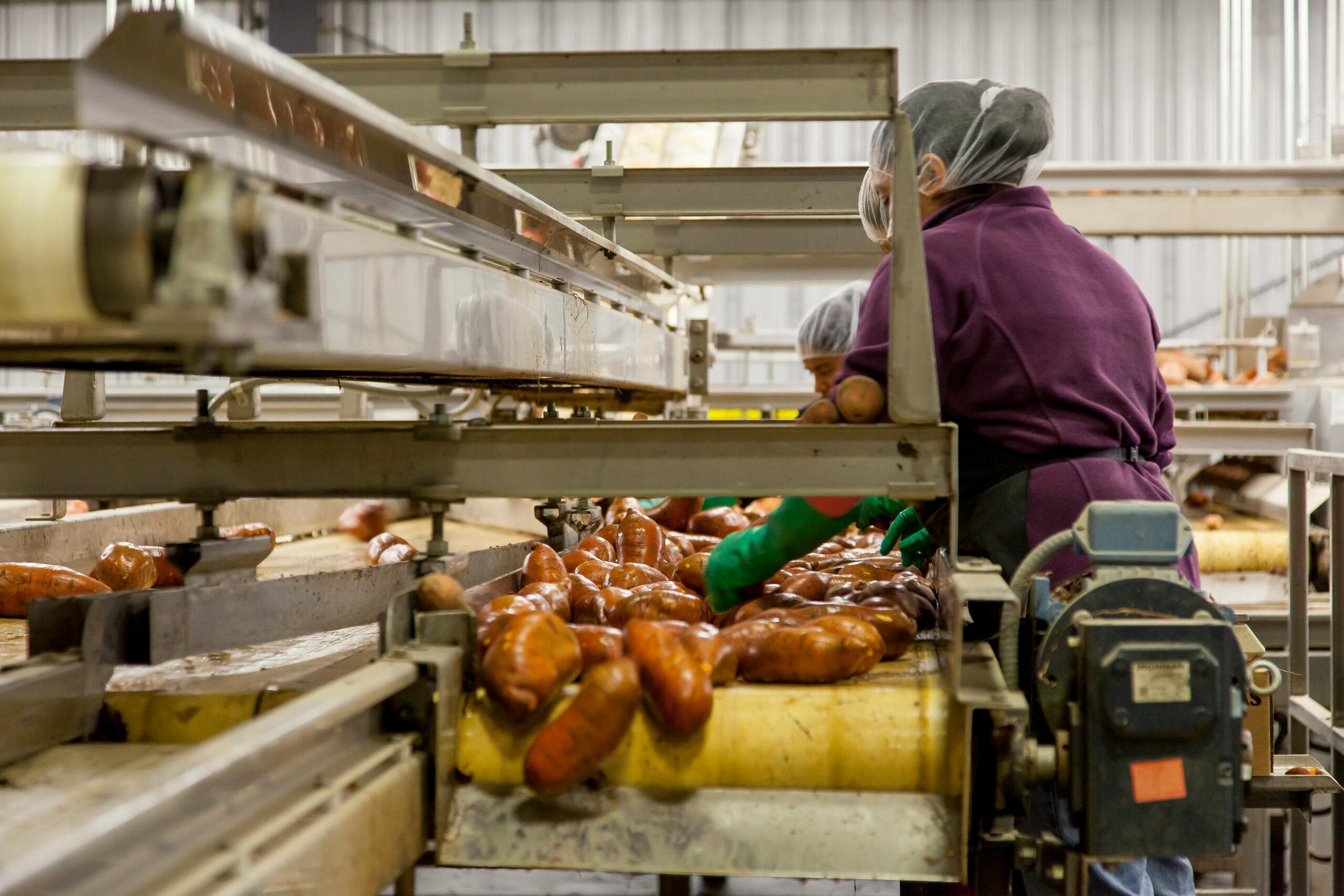
What should food workers use to handle ready to eat pastries? Firstly, they should use gloves. Gloves act as a barrier between their hands and the food, preventing the transfer of bacteria and viruses. It’s important that these gloves are used properly; they should be changed regularly, especially between tasks or after touching anything that might contaminate them.
In addition to gloves, what should food workers use to handle ready to eat pastries? They should use utensils like tongs, spatulas, or pastry papers. These tools help to minimize direct hand contact with the pastries, further reducing the risk of contamination.
What should food workers use to handle ready to eat pastries? to ensure they remain fresh and appealing? The answer includes proper storage techniques. Pastries should be kept in clean, sealed containers to protect them from exposure to the air and potential contaminants.
Training is also part of what should food workers use to handle ready to eat pastries? effectively. Proper training in food safety and hygiene helps workers understand why certain practices are necessary and how to implement them correctly.
Understanding Ready-To-Eat Pastries
Understanding ready-to-eat pastries is essential for food workers who aim to maintain food safety and quality. Ready to eat pastries, such as croissants, muffins, and cakes, are delicious treats that many people enjoy. However, these items require careful handling to avoid contamination. So, what should food workers use to handle ready to eat pastries?
The answer to “What should food workers use to handle ready to eat pastries?” is not just about using the right tools but also about following proper hygiene practices. Food workers must use gloves to minimize direct contact with the pastries. This practice is a key part of answering the question, “What should food workers use to handle ready to eat pastries?”
Moreover, when considering what should food workers use to handle ready to eat pastries? it’s important to focus on cleanliness. Clean utensils, such as tongs and spatulas, are also essential. These tools help in serving or arranging pastries without touching them directly.
Training and awareness are also crucial. Food workers should be trained on why and what should food workers use to handle ready to eat pastries? safely. This knowledge helps them understand the importance of using gloves and clean utensils, contributing to safe food handling practices.
In addition to gloves and utensils, food workers need to ensure that the environment where ready-to-eat pastries are stored and served is clean and hygienic. This is another aspect of what should food workers use to handle ready to eat pastries? using a clean and safe environment to prevent foodborne illnesses.
Finally, regular monitoring and following the established food safety guidelines answer the question, “What should food workers use to handle ready to eat pastries?” This ensures that the practices for handling these pastries are consistently applied to prevent contamination.
The Essentials of Food Safety “The Essentials of Food Safety” highlights the importance of adhering to food safety regulations to protect consumers. These regulations are critical in answering the question: What should food workers use to handle ready to eat pastries? Ignoring these guidelines can lead to severe health risks and legal penalties, underlining the necessity of proper practices in food handling.
Proper Handling of Ready-To-Eat Pastries When discussing “Proper Handling of Ready-To-Eat Pastries,” we focus on the need for gloves and good hand hygiene. What should food workers use to handle ready to eat pastries? Primarily, they must use gloves correctly to prevent cross-contamination. This means changing gloves between tasks, avoiding touching non-food items, and ensuring hands are washed frequently and thoroughly. These steps are vital in understanding what should food workers use to handle ready to eat pastries? safely and effectively.
Gloves Usage in Food Service In the section “Gloves Usage in Food Service,” we delve into the types of gloves ideal for food handling, such as latex, nitrile, and vinyl gloves. Each type of glove serves a specific purpose, emphasizing the question: What should food workers use to handle ready to eat pastries? The correct choice of gloves, based on the task and the individual’s needs, is a crucial aspect of food safety. It’s not just about using any gloves but knowing what should food workers use to handle ready to eat pastries? in terms of the right type of glove for the job.
Moreover, the discussion on what should food workers use to handle ready to eat pastries extends beyond just the type of gloves. It includes understanding when and how to use these gloves effectively. Training in proper glove usage becomes a part of the broader food safety education, answering what should food workers use to handle ready to eat pastries? in a comprehensive manner.
Hand Hygiene Practices “Hand Hygiene Practices” are a cornerstone in ensuring food safety, particularly when answering the question: What should food workers use to handle ready to eat pastries? Proper hand washing techniques are not just a recommendation but a necessity in food handling. Food workers should wash their hands before, during, and after food preparation to maintain a clean working environment. This practice is fundamental in determining what should food workers use to handle ready to eat pastries? as clean hands are the first step in preventing contamination.
Alternative Food Handling Tools In the context of “Alternative Food Handling Tools,” we explore other necessary items food workers should use. Besides gloves, tools like tongs, spatulas, and serving papers are crucial. These tools are part of the answer to what should food workers use to handle ready to eat pastries? They help in handling food safely, reducing direct contact, and minimizing contamination risks, thereby playing a significant role in food safety protocols.
Training and Education for Food Workers “Training and Education for Food Workers” are pivotal in answering what should food workers use to handle ready to eat pastries. Ongoing training ensures that food workers are up-to-date with the latest food safety protocols and practices. Understanding the importance of using the right tools and techniques, including proper hand hygiene and the utilization of alternative food handling tools, is essential in maintaining food safety standards.
Moreover, in addressing what should food workers use to handle ready to eat pastries? it’s important to emphasize the role of education in reinforcing the importance of these practices. Training programs should cover the selection and use of appropriate tools, including when and how to use gloves, tongs, spatulas, and serving papers effectively.
Monitoring and Compliance “Monitoring and Compliance” are crucial elements in the food service industry, particularly when it comes to ensuring that food workers know what should food workers use to handle ready to eat pastries. Regular checks and a strong management role are essential to make sure that food safety practices, like using the right tools and techniques for handling pastries, are followed consistently. Managers should oversee and ensure that food workers are using the appropriate tools, such as gloves, tongs, and spatulas, to handle ready-to-eat pastries safely. This oversight is key to answering what should food workers use to handle ready to eat pastries? as it ensures that the established safety protocols are not just known but are being actively implemented.
Consumer Awareness “Consumer Awareness” plays a significant role in the food safety ecosystem. Consumers should be informed about what food safety practices are necessary, including what should food workers use to handle ready to eat pastries? This knowledge helps consumers make informed choices and ensures the food they consume is safe. When consumers are aware of what should food workers use to handle ready to eat pastries? they can better evaluate the safety of the food establishments they choose to patronize and advocate for proper food handling practices.
Technological Advancements in Food Safety “Technological Advancements in Food Safety” are transforming the way food safety is managed, particularly in answering the question, “What should food workers use to handle ready to eat pastries?” Innovative tools and practices, such as automation and improved monitoring systems, are being developed to enhance food safety. These advancements provide clear guidelines and systems that help food workers understand and implement the necessary steps, including what should food workers use to handle ready to eat pastries? Automation, for instance, can reduce human contact with food, thereby minimizing the risk of contamination.
Case Studies In “Case Studies,” we see the importance of learning from past incidents and success stories to improve food safety practices. These case studies often highlight what should food workers use to handle ready to eat pastries? showcasing best practices and lessons learned from real-world experiences. By analyzing these cases, food workers and managers can better understand how to apply proper food handling practices, including the selection and use of appropriate tools and techniques.
The Future of Food Safety “The Future of Food Safety” is a topic that emphasizes the need for the food service industry to stay informed and adaptable, especially in regards to what should food workers use to handle ready to eat pastries? As regulations and technologies evolve, so too must the practices and tools used in food handling. Staying ahead in food safety means continuously educating and equipping food workers with the knowledge and tools they need, ensuring they know what should food workers use to handle ready to eat pastries? effectively and safely.
In summary, the intersection of technological advancements, learning from case studies, and the evolving nature of food safety regulations all play a significant role in shaping the answer to “What should food workers use to handle ready to eat pastries?” By embracing new technologies, learning from past experiences, and adapting to changes, the food service industry can ensure that it meets the highest standards of food safety, particularly in handling ready-to-eat pastries.
Conclusion In conclusion, understanding what should food workers use to handle ready to eat pastries? is essential for ensuring food safety. Proper handling of these pastries is crucial, as it directly impacts their safety and the health of consumers. By consistently asking and answering what should food workers use to handle ready to eat pastries? food service establishments can maintain high standards of hygiene and prevent the spread of foodborne illnesses.
To ensure these treats are safe and enjoyable for everyone, it is vital to adhere to the recommended practices. This means that food workers must be well-informed about what should food workers use to handle ready to eat pastries? including the use of appropriate gloves, utensils, and hygiene practices. Following these guidelines not only helps in maintaining a clean and safe environment but also in building trust with consumers who are concerned about food safety.
Moreover, the question of what should food workers use to handle ready to eat pastries? should be regularly revisited and updated as new information and technologies become available. Ongoing training and education about the latest food safety practices are important in ensuring that food workers are equipped with the knowledge and tools they need to handle pastries properly.
In summary, the importance of knowing and implementing what should food workers use to handle ready to eat pastries? cannot be overstated. It is a fundamental aspect of food safety that helps to ensure the well-being of consumers and the success of food service businesses. By focusing on proper food handling practices, food workers can guarantee that ready-to-eat pastries remain a safe and delightful experience for all.
FAQ
1 What are ready-to-eat pastries?
Ready-to-eat pastries are baked goods like cakes, cookies, and bread that you can eat without needing to cook or prepare them further. They are often sweet and served as snacks or desserts.
2 Why is it important to use gloves when handling food?
Using gloves is important when handling food because it prevents the spread of germs and bacteria from the hands to the food. Gloves act as a barrier, which helps to keep the food safe for consumption and reduces the risk of food contamination.
3 How often should food handlers wash their hands?
Food handlers should wash their hands frequently: before they start preparing food, after touching raw food, after using the bathroom, after handling trash, and after every break. Proper handwashing with soap and water is essential to maintain good hygiene and prevent contamination.
4 What are some common food handling mistakes?
Common food handling mistakes include not washing hands thoroughly, using the same utensils for raw and cooked foods, not storing food at the correct temperature, and not wearing gloves when necessary. These mistakes can lead to food contamination and increase the risk of foodborne illnesses.
5 Where can food workers find training and resources?
Food workers can find training and resources through local health departments, online food safety courses, and training programs provided by employers. These resources offer vital information about food safety standards, proper handling techniques, and hygiene practices, helping to ensure food safety and prevent health risks.
Read Article: Where Can A Food Worker Wash Her Hands?
editor's pick


news via inbox
Nulla turp dis cursus. Integer liberos euismod pretium faucibua
