
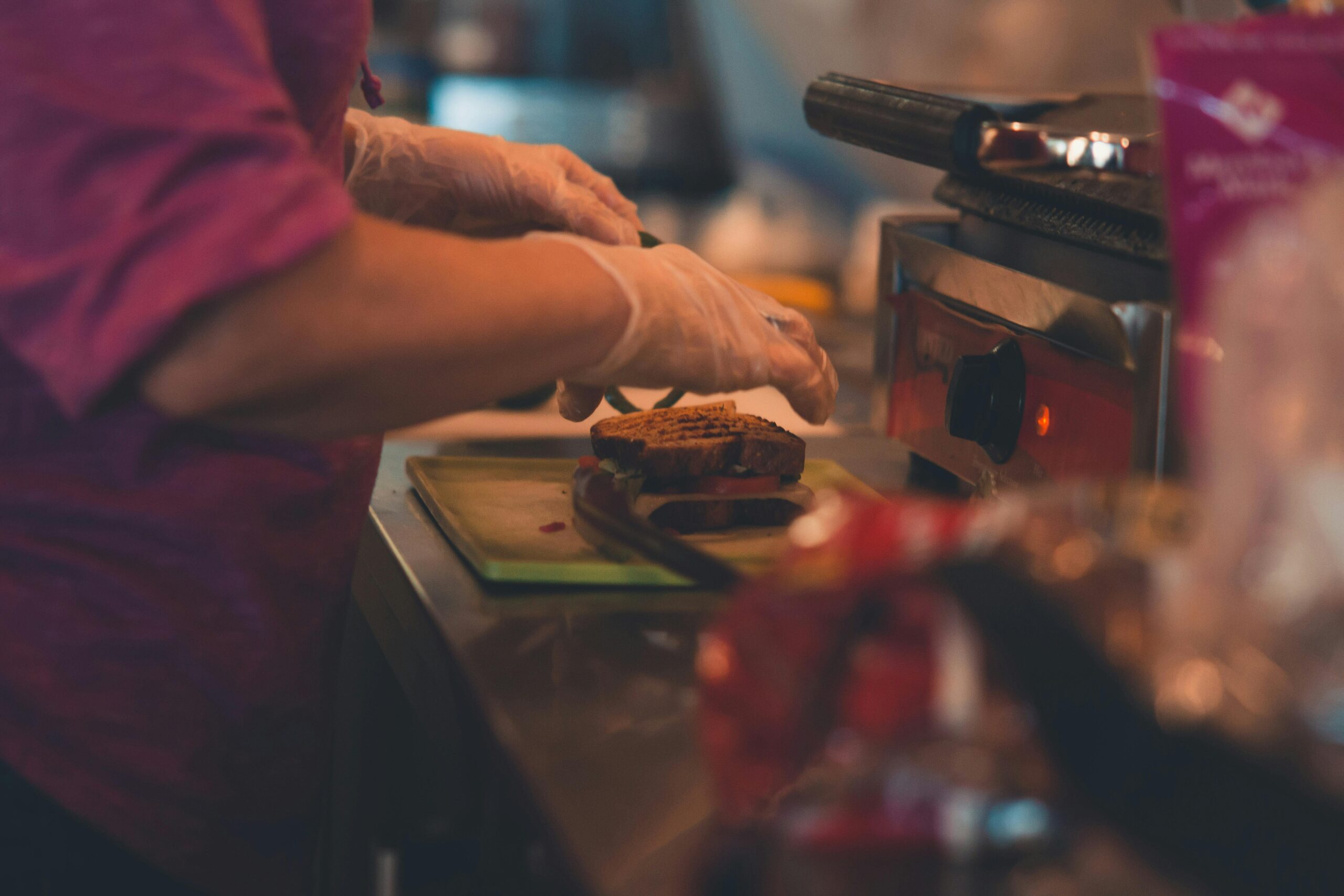
When Are Food Workers Required To Wear Gloves?
When Are Food Workers Required To Wear Gloves?
Learn when food workers are required to wear gloves and why it’s crucial for food safety. Explore guidelines, proper glove usage, and the impact on hygiene standards to prevent foodborne illnesses, ensuring a safe dining experience for consumers.”
Introduction
When are food workers required to wear gloves?” This question is essential for maintaining consumer health and safety in the food service industry. Gloves play a critical role in preserving hygiene and preventing the contamination of food. Food workers are required to wear gloves not only to protect the food from germs and bacteria that can cause illness but also to uphold the high standards of cleanliness expected in food handling.
The necessity to answer “When are food workers required to wear gloves?” becomes apparent in various food service tasks. For instance, when preparing sandwiches, slicing fruits, or handling any ready-to-eat foods, workers must wear gloves to avoid direct contact with the food items. This practice ensures that the food remains safe for consumption and free from contaminants.
This expanded article will explore in detail when food workers are required to wear gloves and the significance of adhering to these guidelines.
Importance of Hygiene in Food Service In the realm of food service, hygiene is paramount. The question “When are food workers required to wear gloves?” is not just about policy but about protecting public health. Maintaining cleanliness through proper glove use is a critical step in safeguarding the quality of food served to consumers.
Understanding Food Safety
When Are Gloves Necessary? Understanding Food Safety.
“When are food workers required to wear gloves?” is a crucial question in food safety. Food workers are required to wear gloves primarily to prevent the spread of germs and ensure a clean eating environment. When handling ready-to-eat foods, it’s imperative to wear gloves to avoid cross-contamination.
The key moments when food workers are required to wear gloves include not just when they are in direct contact with food but also when they switch between different food items or tasks. This prevents harmful pathogens from transferring from one food item to another. “When are food workers required to wear gloves?” becomes especially important in environments like salad bars or delis where the food is served cold and won’t be cooked again.
In addition, when are food workers required to wear gloves if they have any cuts or wounds on their hands? Always, because these can be pathways for bacterial transfer into the food. Gloves act as a protective barrier, not just for the food, but also for the workers, preventing infection or irritation of any existing wounds.
Furthermore, when are food workers required to wear gloves in high-volume kitchens, such as in schools or hospitals? Consistently, because the large number of meals prepared increases the risk of foodborne illness if strict hygiene practices are not followed.
Lastly, training in food safety often emphasizes the answer to “When are food workers required to wear gloves?” It’s crucial for food workers to understand not only when but also how to properly use gloves, including how to put them on and take them off correctly to avoid contaminating themselves or the food.
Types of Food Services and Glove Use
Restaurants and Cafes “When are food workers required to wear gloves in restaurants and cafes?” is a common query in the food industry. In these settings, gloves are essential during meal preparation and plating to ensure that food is handled safely. Whether chopping vegetables, handling raw meat, or decorating pastries, wearing gloves helps maintain hygiene and prevent food contamination.
Fast Food and Street Vendors In fast-paced environments like fast food outlets and street vending, “When are food workers required to wear gloves?” has a straightforward answer: always. The high turnover of food and direct hand contact with eatables necessitate glove use to avoid contamination and ensure consumer safety.
Catering and Banquets Answering “When are food workers required to wear gloves in catering?” is crucial for maintaining food hygiene during events. Gloves should be worn when setting up buffets, serving food, and handling utensils to prevent the spread of germs and ensure a hygienic dining experience for guests.
Hospitals and Schools In sensitive environments like hospitals and schools, “When are food workers required to wear gloves?” becomes even more critical. Here, gloves are necessary at all times to protect the health of vulnerable populations, including patients and children, from potential foodborne illnesses.
In summary, the question “When are food workers required to wear gloves?” highlights the importance of glove use across various food service settings to ensure food safety and hygiene. By wearing gloves, food workers can prevent contamination and contribute to a healthier, safer eating environment.
Legal Requirements for Wearing Gloves The question “When are food workers required to wear gloves?” also extends to legalities. Different places have specific laws dictating glove use in food handling to ensure public safety.
Choosing the Right Gloves
- Types of Gloves for Food Service When considering glove use, various types like latex, nitrile, and vinyl are selected based on the task. The choice depends on the specific food handling requirements.
- Factors to Consider in Glove Selection
- Material When selecting gloves, consider the material for comfort and functionality.
- Size and Fit The right size and fit are crucial for efficient food handling.
- Durability and Usability Gloves must be durable and suitable for the tasks at hand.
Proper Use of Gloves
- How to Wear and Remove Gloves Knowing how to properly wear and remove gloves is crucial to prevent contamination. When are food workers required to wear gloves? They must wear them whenever handling food directly. It’s important to wash hands thoroughly before putting on gloves to prevent the transfer of germs onto the gloves. When removing gloves, it should be done in a way that does not contaminate the hands, ensuring the outside of the gloves does not touch the skin.
- Common Mistakes in Glove Use Understanding when and how to use gloves correctly is vital. A common question is, “When are food workers required to wear gloves?” The answer is not just when handling food, but also in understanding how to use them properly. Common mistakes include not changing gloves between tasks, using damaged gloves, or touching non-food items with gloved hands, all of which can lead to food safety risks.
- Impact of Improper Glove Use
- Risks of Not Wearing Gloves Appropriately When food workers do not wear gloves appropriately, it increases the risk of foodborne illnesses and compromises safety.
How to Ensure Compliance and Safety Ensuring that food workers know when to wear gloves and are trained in proper glove use is key to maintaining food safety and compliance with health standards.
Educating Food Workers on Glove Use Educating food workers on when and how to use gloves is crucial. Training should highlight why glove use is key in stopping contamination and protecting food and customers. Workers need to know not only “When are food workers required to wear gloves?” but also why it’s necessary for maintaining cleanliness and safety in food handling.
Monitoring and Enforcement It’s vital to monitor how well food workers stick to the rules of glove use. Regular checks in food places help make sure workers wear gloves correctly and understand “When are food workers required to wear gloves?” This helps keep food safe and clean for everyone.
Role of Management in Glove Usage Managers in food service must make sure their teams know when and why to wear gloves. They need to provide training and tools needed for following glove use rules, answering “When are food workers required to wear gloves?” effectively to keep food handling safe.
Cultural Shift in Food Safety Creating a safety-first culture in food service means thinking differently about hygiene. Asking “When are food workers required to wear gloves?” should be normal every day, leading to a safer place for eating and food preparation.
Technological Advances in Glove Use With new tech, there are better gloves for different food jobs. These advancements help answer “When are food workers required to wear gloves?” by providing options that are more comfortable and better at protecting against contamination, thus improving food safety.
Conclusion
When are food workers required to wear gloves?” This question underscores a fundamental principle in food safety. Gloves should always be worn in situations where food safety could be compromised. In the food service industry, the proper use of gloves is a critical component of maintaining hygiene standards and ensuring consumer safety. Adherence to guidelines regarding when to wear gloves is essential, as it helps food workers significantly reduce the risk of foodborne illnesses and ensures a safe dining experience for everyone.
Understanding “When are food workers required to wear gloves?” goes beyond following rules; it’s about fostering a culture of safety and responsibility within the food service sector. It emphasizes the need for continuous education and training in hygiene practices to ensure food handlers know when and how to effectively use gloves.
In conclusion, “When are food workers required to wear gloves?” is a question that echoes the importance of glove use in food handling. It reflects the industry’s commitment to preventing contamination and protecting consumer health. Therefore, the consistent use of gloves in handling food is not just a regulatory requirement but a critical practice in promoting a safe and healthy eating environment.
Remembering the importance of glove use in food handling answers the critical question: When are food workers required to wear gloves? It’s not just about following rules but about fostering a culture of safety and responsibility in food service.
FAQ
1 When are food workers required to wear gloves when handling raw meat? Food workers are required to wear gloves when handling raw meat to prevent cross-contamination with other foods and surfaces, ensuring that pathogens are not transferred.
2 When are food workers required to wear gloves during food preparation? They must wear gloves during food preparation whenever they handle ready-to-eat items or switch between tasks to prevent the spread of germs and maintain hygiene standards.
3 When are food workers required to wear gloves in a bakery? In a bakery, food workers are required to wear gloves while decorating cakes, handling pastries, or any task where direct hand contact with the food can occur, to maintain cleanliness.
4 When are food workers required to wear gloves in a hospital setting? Food workers in hospitals are required to wear gloves at all times when preparing and serving food to protect the vulnerable patient population from potential foodborne illnesses.
5 When are food workers required to wear gloves at a buffet? At a buffet, food workers are required to wear gloves when serving food, refilling dishes, and handling utensils to prevent the spread of germs among the large number of diners.
6 When are food workers required to wear gloves while handling fruits and vegetables? They are required to wear gloves when handling fruits and vegetables, especially if they are to be eaten raw, to avoid contamination and ensure they are safe for consumption.
Read Article: What Should Food Workers Use To Handle Ready To Eat Pastries?
editor's pick


news via inbox
Nulla turp dis cursus. Integer liberos euismod pretium faucibua
